Concept and operating principle
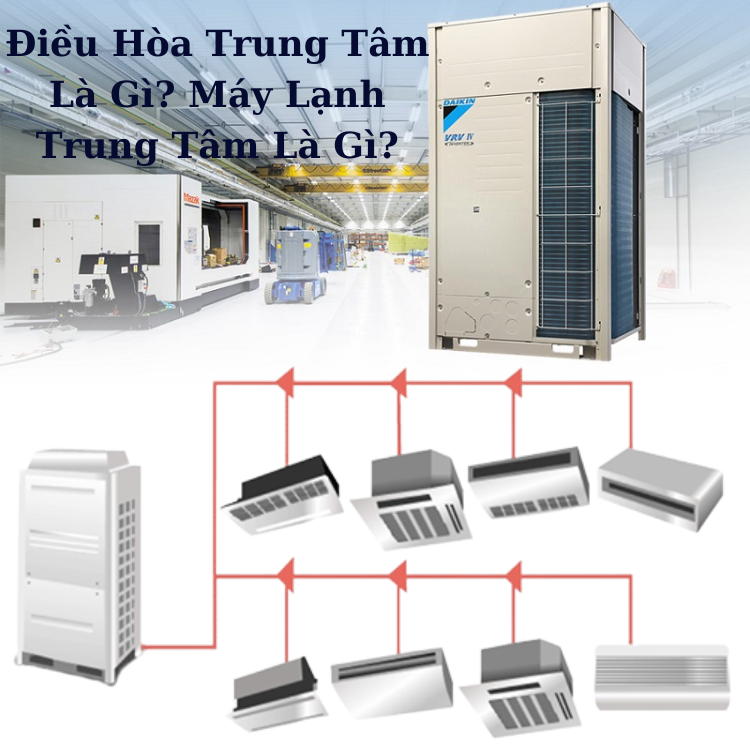
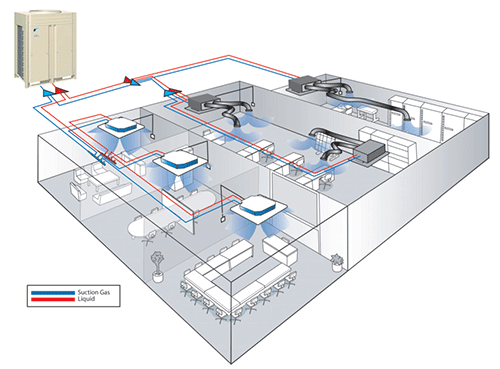
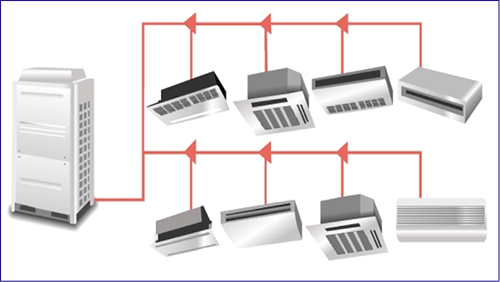
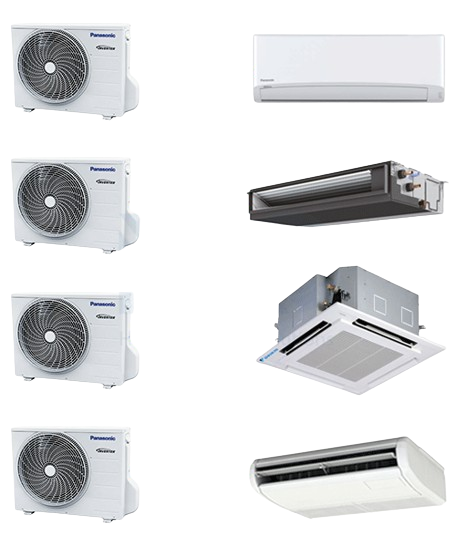
VRF (Variable Refrigerant Flow) describes an air conditioning system that can adjust the temperature and refrigerant flow rate according to demand. VRV (Variable Refrigerant Volume) is a term specific to Daikin and operates on the same principle as VRF. Refrigerant flows through copper pipes between the outdoor and indoor units; the flow rate is varied to adjust cooling capacity. Unlike a split system that connects 1 outdoor unit to 1 indoor unit, VRF/VRV connects multiple indoor units to 1 outdoor unit. [1]
Identifying features
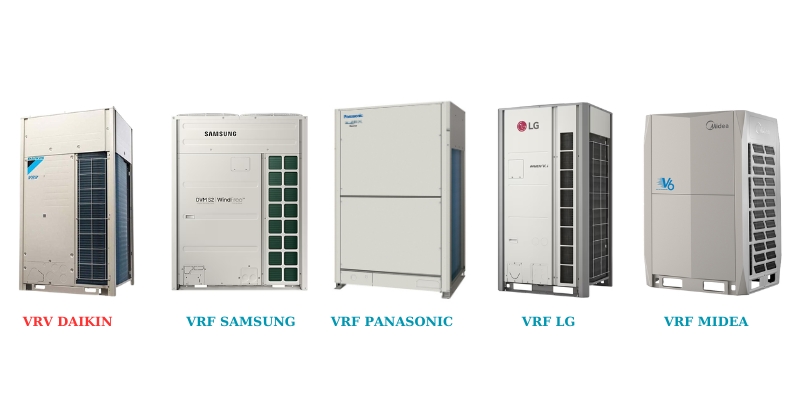
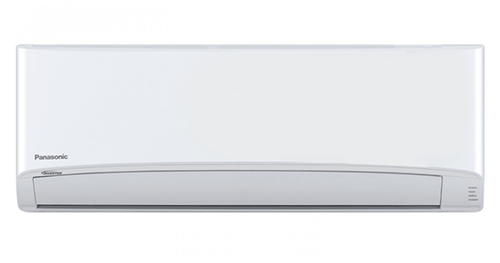
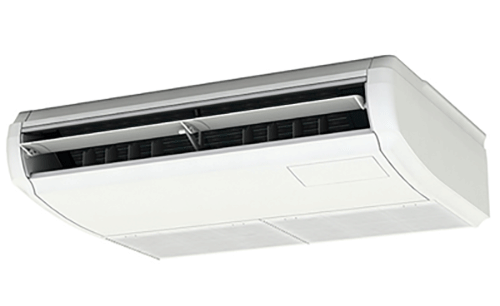
VRF/VRV systems can be identified by the refrigerant branch selector, the outdoor unit or outdoor-unit array with upward-blowing cooling fans, and the surrounding finned-tube heat exchange surface. The controllers and indoor units usually bear the brand logo: Daikin uses VRV; Gree, Hisense, Aqua, Toshiba, Mitsubishi, Hitachi, LG, and Samsung use VRF. [1]
Technical specifications and controls
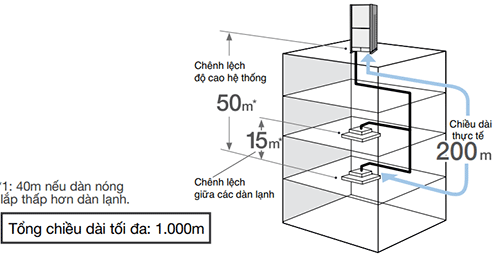
The system uses inverter compressors to save energy. Each outdoor unit has a capacity of 20-24HP, with 3-4 outdoor units connected for a total of 60-80HP. Refrigerant piping can be up to 1000m long; the distance from the outdoor unit assembly to the indoor units can be up to 90m. Each central controller can manage up to 64 addresses (128 indoor units) and can be expanded to connect to the building management system (BMS). [1]
Advantages and limitations
Advantages include energy savings, flexibility in changing the size of the outdoor unit, convenient installation location selection thanks to the refrigerant piping length, a variety of capacities and indoor unit types, and smart control and BMS connectivity. Limitations include refrigerant piping length restrictions, difficulty locating the outdoor unit in large-area projects, limitations in very large spaces, and the risk of refrigerant leaks if inspections are not carried out carefully. [1]
Applications
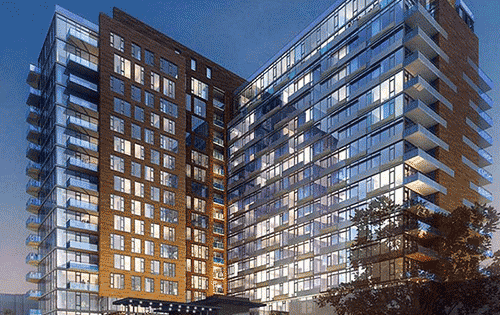
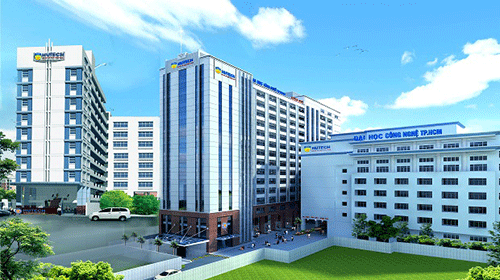
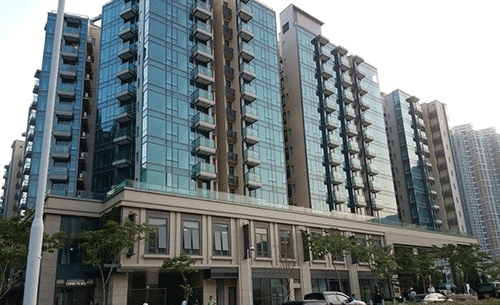
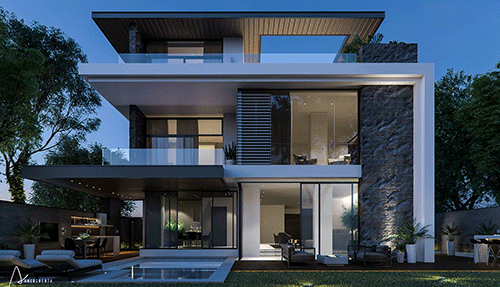
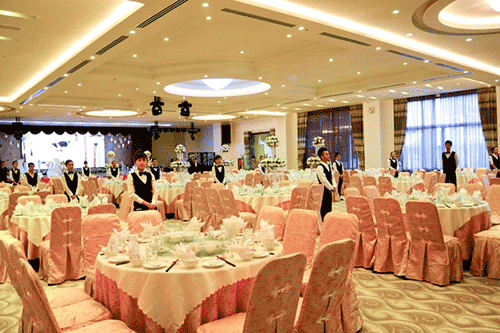
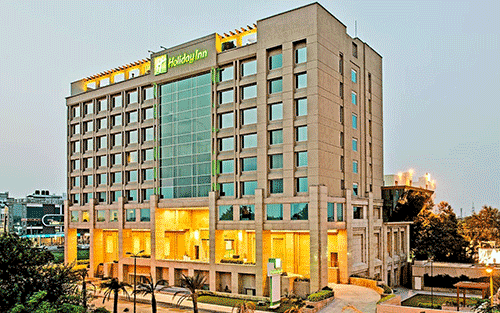
The applications mentioned include office towers for lease, college and university buildings, high-end apartment buildings, villas, wedding and banquet restaurants, 4-star hotels, factory office blocks, and retail shops. The article states that VRF/VRV meets a range of design requirements for medium- to large-scale projects and is widely used in Vietnam. [1]
Water-cooled VRF/VRV system
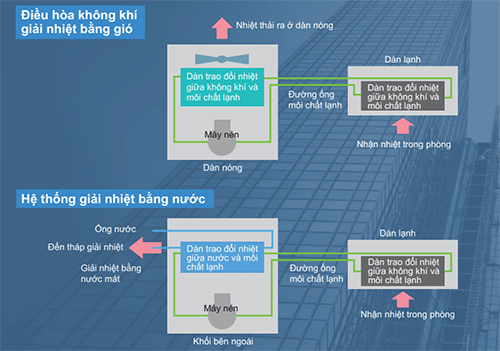
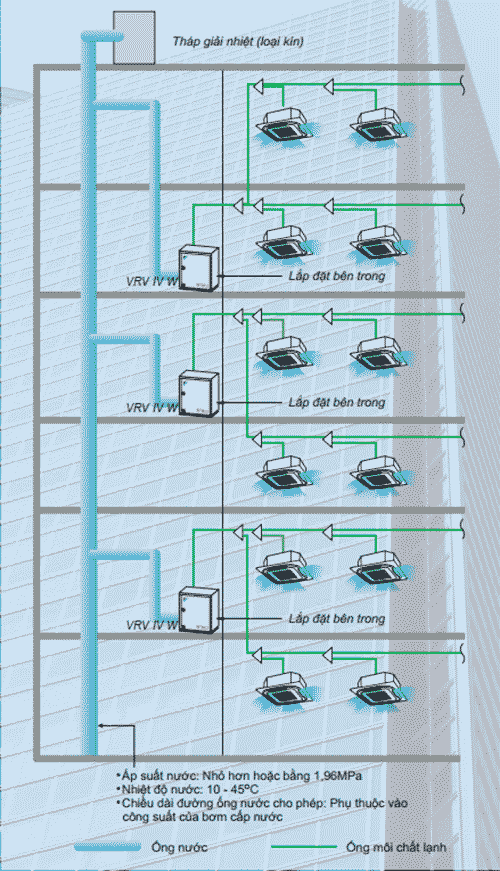
The system uses water instead of air for heat rejection to address the limitations of conventional VRF/VRV systems. The outdoor unit can be installed indoors or in a basement; cooling water is pumped to the cooling tower, and the COP is higher. The drawbacks are the additional investment required for a water pump system and accessories, the need for an additional plant room for large projects, and continued limitations for projects with very large spaces. [1]
Images from the original article

Reference source
[1] VRV and VRF: Principles, Advantages, Disadvantages, and Applications - VINAMEED BUILDING SERVICESContent and images referenced from https://vinameed.com.vn/vrv-va-vrf-nguyen-ly-uu-nhuoc-diem-va-ung-dung/